
Why Keeping Your Natural Teeth After 65 Is Worth It
Getting older does not have to mean losing your teeth — and it does not have to mean putting up with dentures that rub, slip or sit in a drawer. Most of the dental problems people blame on age are actually problems with clear causes and practical fixes: a dry mouth from a new medication, a denture that no longer fits the gums it was made for, or a sore spot that keeps coming back in the same place. A dentist for seniors Scarborough residents visit can sort out each of these.
This guide is written for Scarborough seniors and for the adult children who often help a parent sort out appointments. It covers why keeping your natural teeth after 65 is worth the effort, why so many medications quietly raise your cavity risk, how denture fit is maintained — and how the Canadian Dental Care Plan (CDCP) works for seniors, honestly, including what it does not cover. Where dentures themselves are concerned, this guide stays on care and comfort; the wider picture of denture and prosthodontic care in Scarborough sits on our services pages.
Your natural teeth do work that no replacement fully copies. They let you bite and chew a wider range of foods comfortably, they support clear speech, and they hold the shape of your bite and jaw. Even keeping some of your natural teeth matters: a partial denture that anchors to real teeth is usually steadier than one that rests on gums alone.
Age itself is not what takes teeth. The two main causes of tooth loss in older adults are gum disease and tooth decay — the same causes as at any age — and both develop slowly and can usually be managed when they are caught early. What changes after 65 is the margin for error: medications that dry the mouth, gums that have receded and exposed the softer root surfaces, and fillings and crowns from decades ago that eventually need repair. None of that makes tooth loss inevitable. It makes regular care worth more, not less.
Dry Mouth and Medications — the Hidden Cavity Risk
Saliva quietly protects your mouth all day: it washes food away from teeth, neutralizes the acids that bacteria produce, and helps repair the earliest stage of decay. When saliva flow drops, that protection drops with it — and cavities can develop quickly, especially on exposed root surfaces, which are softer than enamel.
The most common cause of a dry mouth in older adults is not age. It is medication. Many widely used prescriptions — including common medicines for blood pressure, pain, allergies, and mood — list dry mouth as a side effect, and the effect grows when several are taken together. If your mouth has felt persistently dry since a prescription changed, that is worth paying attention to.
What genuinely helps:
- Sip water regularly through the day, and keep water by the bed at night.
- Stimulate saliva with sugar-free gum or lozenges — these help your mouth make its own moisture.
- Be strict with fluoride. A fluoride toothpaste, used twice a day, matters more when saliva is low, because it is doing part of saliva’s protective job.
- Tell your dentist about every medication you take, and mention the dryness. Your dentist can adjust your recall interval and prevention plan around it.
- Never stop or change a medication on your own because of dry mouth. If a drug is the likely cause, raise it with the doctor who prescribed it or with your pharmacist — sometimes an alternative or a timing change helps, and that is their call to make.
Dentures That Fit Well: Full vs Partial, Relines, and When a Set Needs Replacing
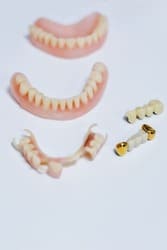
A full denture replaces all the teeth in one jaw; a partial denture fills the gaps between natural teeth that are still present and anchors to them for stability. Both sit on your gums — and gums change. After teeth are lost, the bone underneath slowly shrinks and the gum ridge reshapes itself over the years, so a denture that fit well when it was made gradually becomes looser through no fault of its owner. Our full and partial dentures page describes the two types in service detail.
Two maintenance procedures exist because of that change:
- A reline resurfaces the underside of the denture so it matches the gums as they are now. It is the usual answer when the denture is otherwise sound but the fit has loosened.
- A replacement becomes the honest answer when the denture teeth are worn flat, the base is cracked or repeatedly repaired, or the fit has changed beyond what a reline can correct. How long a set lasts varies from person to person — what decides it is the condition of the denture and the shape of your gums today, which is exactly what an examination checks.
Denture adhesive has a place for short-term confidence, but it is not a repair. If the amount you need keeps growing just to get through a meal, the denture is telling you the fit itself needs attention. If you are comparing types of dentures rather than caring for a set you already have, our guide to denture options in Scarborough covers that decision in depth — this guide stays on keeping the set you wear comfortable.
Sore Spots, Loose Dentures, and What Can Be Adjusted
A sore spot usually has a mechanical cause: one small area of the denture pressing harder than the rest. Those pressure points can often be relieved with a short adjustment appointment — the dentist finds the exact contact spot and eases it. A denture that was comfortable for years and suddenly starts rubbing is not something to simply endure; the change itself is information.
Looseness follows patterns worth knowing:
- Lower dentures move more than uppers. They have a smaller bearing surface and share space with the tongue, so a lower set that feels less secure is common — and still worth having assessed, because fit can usually be improved.
- Rocking, clicking, or food collecting underneath all point to a fit that has drifted from the shape of your gums.
- A sore that keeps returning in the same place, even after adjustment, needs an examination of the tissue underneath, not just another adjustment.
One caution: do not bend partial-denture clasps or grind the denture yourself with home tools. Clasps are shaped to a precise fit, and a small bend done at home can crack the base or damage the natural tooth the clasp holds. Adjustments belong in the clinic, where they take minutes and are checked against your bite.
CDCP for Seniors: Who Qualifies, What It Covers, and How Direct Billing Works at AF Dental
Seniors are one of the groups the Canadian Dental Care Plan was built to reach, and we are asked about it every week. The honest version, in the order the program itself works:
Who qualifies. You must meet all of the program’s criteria: you have no access to dental insurance or coverage, your adjusted family net income is less than $90,000, you are a resident of Canada for tax purposes, and you filed a tax return for the previous year (your spouse or common-law partner as well, if you have one). Eligibility is confirmed by the federal program — Service Canada and Sun Life — not by our clinic. Our dedicated page on the Canadian Dental Care Plan (CDCP) at AF Dental explains the application steps in full.
What it covers that matters most after 65. For eligible patients, the plan’s covered services include exams, X-rays, cleanings, fillings, root canal services, tooth removal, and dentures — complete dentures are covered services, and partial dentures require preauthorization, meaning the plan confirms coverage before treatment begins. See what the CDCP covers (Canada.ca) for the official list.
What it pays — stated plainly. The CDCP pays a percentage of its own established fees, set out in the CDCP fee guide, and the percentage depends on your family income. Depending on your income band, you may pay a co-payment, and if a clinic’s fee for a service is higher than the CDCP fee, there may be an additional charge. It should never be described — by anyone — as covering 100% of a bill. Your dental team should explain any amount you would pay before treatment starts.
How direct billing works here. AF Dental participates in the CDCP and direct-bills it: for covered services, the clinic submits the claim and is paid the plan’s portion directly, so you are not paying the full amount up front and claiming it back. Bring your CDCP member card and photo identification to your appointment, and make sure your coverage start date has arrived and your coverage is active on the day of the visit — care received before your start date is not covered.
One separate program to know about. Ontario runs its own Ontario’s dental care program for low-income seniors (Ontario.ca), which provides routine dental care at no cost to eligible seniors 65 and older with no dental benefits, delivered through public health units and community health centres. It is a different program from the CDCP, AF Dental does not deliver it, and eligibility is decided by the province — but if cost is the barrier keeping you from care, it is worth knowing it exists.
How Often Seniors Should Be Seen — and the Warning Signs Not to Wait On
There is no single correct interval for everyone over 65. How often you should be seen depends on your risk — active gum disease, a dry mouth, diabetes, and a history of frequent cavities all argue for shorter intervals, while a stable mouth with healthy gums may need less frequent visits. Your dentist sets the interval from what they find, which is why regular dental exams and check-ups matter even in years when nothing hurts: they are how the interval gets set honestly.
Denture wearers are not finished with dental visits once the teeth are out. The soft tissues still need examination, the fit still needs checking as the gums change, and the visit includes screening the mouth’s tissues — that check is part of routine dental care at any age.
Warning signs that should not wait for the next regular visit:
- A mouth sore, lump, or patch that has not healed within two weeks — most turn out to be minor, often a denture rub, but only an examination can say so.
- A denture sore that keeps coming back in the same spot after adjustment.
- A loose tooth, or bleeding that does not settle.
- Pain, swelling, or a bad taste that suggests infection.
- A sudden change — a denture that no longer fits at all, or a mouth that has become much drier.
If any of these sound familiar, call AF Dental — a dentist for seniors Scarborough families rely on — at (416) 792-6940. We are open Monday, Wednesday, Thursday, Friday and Saturday 9–6, and Sunday 11–5 (closed Tuesdays) — and if you are booking for a parent, you are welcome to make the call and come along.
References
Ontario Dental Association — www.oda.ca · Canadian Dental Association — www.cda-adc.ca · Royal College of Dental Surgeons of Ontario — www.rcdso.org
Program details and coverage information are from the Government of Canada’s Canadian Dental Care Plan pages (Canada.ca), linked throughout this article, and information about Ontario’s seniors dental program is from Ontario.ca. CDCP rules can change; if anything here differs from Canada.ca, Canada.ca is correct.
FAQs About Dental Care for Seniors
- Does the CDCP cover dentures for seniors?
Yes — for patients whose CDCP eligibility is confirmed, dentures are among the plan’s covered services: complete dentures are covered, and partial dentures require preauthorization before treatment. Two honest limits: coverage is a percentage of the CDCP’s own established fees, set by your income under the CDCP fee guide, so there may be a co-payment and possibly an additional charge if a clinic’s fee is higher — it is never automatically the full cost.
And eligibility comes first: the federal program confirms it (no access to dental insurance, adjusted family net income under $90,000, taxes filed), and your coverage must be active on the day of treatment. Our page on the Canadian Dental Care Plan (CDCP) at AF Dental explains the application steps, and what the CDCP covers (Canada.ca) is the official list.
- How do I know when my dentures need to be replaced?
The signs are practical: the denture slips or rocks despite adhesive, sore spots keep appearing, the teeth look worn and flat, the bite feels “off,” or the base has cracked or been repaired more than once. Before replacement, though, a dentist checks whether a reline — resurfacing the underside to match your gums as they are now — solves the problem, because often it does. Replacement is the honest answer when the denture itself is worn or damaged, or the fit has changed beyond what a reline can correct. There is no set number of years a set “should” last; the examination decides.
- My mouth is always dry since I started new medication — can that damage my teeth?
It can, and it is worth taking seriously. Saliva washes the teeth and neutralizes the acids bacteria produce; with less of it, decay develops faster, especially on exposed root surfaces. Many common prescriptions list dry mouth as a side effect. What helps: sip water through the day, use sugar-free gum or lozenges to stimulate saliva, be consistent with fluoride toothpaste, and tell your dentist about all of your medications so your prevention plan and visit interval can be adjusted. Do not stop or change a medication on your own — if the dryness started with a prescription change, raise it with the prescriber or your pharmacist.
- How often should someone over 65 see a dentist?
There is no single interval that fits everyone. The right spacing depends on your risk: gum disease, dry mouth from medications, diabetes, dentures that need fit checks, and a history of cavities all argue for more frequent visits, while a stable, healthy mouth may need fewer. Your dentist recommends an interval from what they find at your examination. One rule does apply to everyone, including full-denture wearers: keep coming even when nothing hurts, because the visits include examining the gums and soft tissues, checking denture fit, and screening the mouth — problems found early are simpler to treat at any age.
- My dentures are loose, but they don’t hurt — can I just leave them?
It is understandable to leave well enough alone, but a loose fit is not harmless just because it doesn’t hurt. A denture that moves shifts how you chew — many people quietly narrow their diet to soft foods — and the constant small movements can create sore spots and irritate the tissue underneath. Often the fix is simpler than a new set: an examination may show that an adjustment or a reline restores the fit. Growing your use of denture adhesive month by month to compensate is a sign the fit itself needs attention, not more adhesive.
- I have a sore spot in my mouth that hasn’t healed — what should I do?
Have it examined promptly. Most mouth sores in denture wearers turn out to be a pressure rub from the denture, which eases once the spot is adjusted — but a sore, lump or patch that has not healed within about two weeks should always be looked at, and a sore that keeps returning in the same place after adjustment needs the tissue itself examined, not just the denture. Call (416) 792-6940 and describe what you have noticed; the team will tell you how soon you should be seen.
- I’m helping my parent with their dental care — can I book and come along?
Yes — family members help with booking, transport and questions at many of our senior patients’ visits, and you are welcome. Two things make the visit smoother: bring a current list of your parent’s medications (it shapes everything from dry-mouth prevention to treatment planning), and bring their CDCP member card and identification if they are plan members. The patient directs their own care — our role, and yours, is to make sure they hear the findings and the options clearly and can decide at their own pace.
- How does direct billing work if I’m a CDCP patient at AF Dental?
AF Dental participates in the Canadian Dental Care Plan and direct-bills it. In practice: your eligibility and coverage start date are confirmed by the program first; at your visit, the clinic submits the claim to Sun Life (the plan’s administrator) and is paid the plan’s portion directly, so you are not paying the full amount up front and claiming it back. What you may still owe — a co-payment based on your income, or a difference if a fee is higher than the CDCP’s established fee — is explained to you before treatment begins. Bring your member card and photo identification, and tell the team when you book that you are a CDCP member so everything is checked in advance.